Nanotechnology - IELTS Listening with Practice test, Audio, Transcript, And Explanation
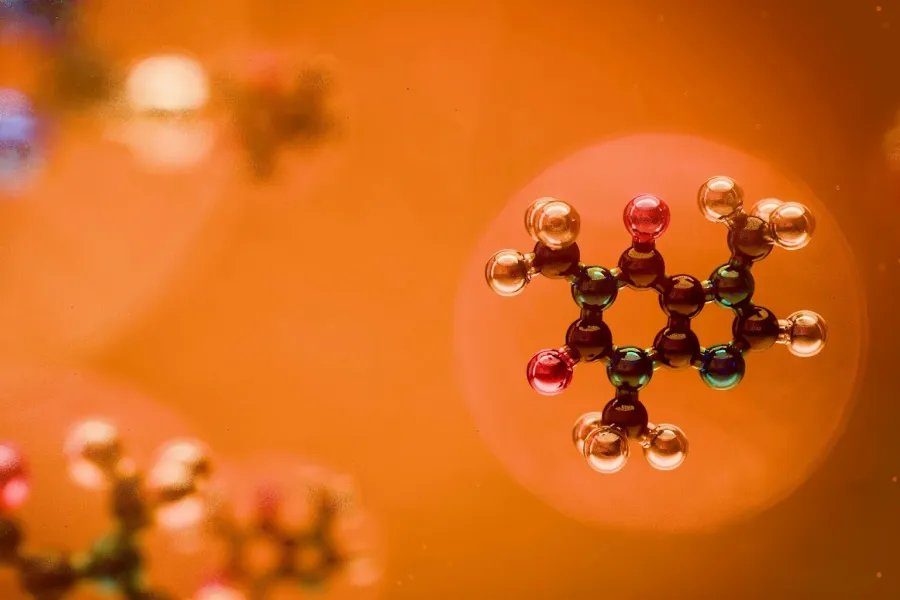
Luyện tập đề IELTS Listening Practice với bài Nanotechnology được lấy từ cuốn sách IELTS CAM Inspired 10 - Test 4 - Section 4 với trải nghiệm thi IELTS trên máy và giải thích đáp án chi tiết bằng Linearthinking.

IELTS Listening Practice
Gồm làm đề, xem giải thích chi tiết, học từ vựng của những bài thi IELTS Listening phổ biến nhất trên thị trường
Bài viết liên quan
Luyện tập đề IELTS Listening Practice với bài The effects of environmental change on birds được lấy từ cuốn sách IELTS CAM Inspired 12 - Test 3 - Section 4 với trải nghiệm thi IELTS trên máy và giải thích đáp án chi tiết bằng Linearthinking.
Luyện tập đề IELTS Listening Practice với bài Visiting Sheepmarket Area được lấy từ cuốn sách IELTS CAM Inspired 12 - Test 4 - Section 2 với trải nghiệm thi IELTS trên máy và giải thích đáp án chi tiết bằng Linearthinking.

Luyện tập đề IELTS Listening Practice với bài Cycle Tour Leader Application được lấy từ cuốn sách IELTS CAM Inspired 12 - Test 4 - Section 1 với trải nghiệm thi IELTS trên máy và giải thích đáp án chi tiết bằng Linearthinking.

Luyện tập đề IELTS Listening Practice với bài Shakespeare's plays' film adaptation được lấy từ cuốn sách IELTS CAM Inspired 12 - Test 4 - Section 3 với trải nghiệm thi IELTS trên máy và giải thích đáp án chi tiết bằng Linearthinking.

Luyện tập đề IELTS Listening Practice với bài Theatre trip to Munich được lấy từ cuốn sách IELTS CAM Inspired 12 - Test 2 - Section 2 với trải nghiệm thi IELTS trên máy và giải thích đáp án chi tiết bằng Linearthinking.