You will hear a lecturer discussing how mercury pollution affects birds and may also affect humans.
First, you have some time to look at questions 31 to 40.
Now listen carefully and answer questions 31 to 40.
We've been considering how human changes to the environment influence wildlife.
I'll now focus on one example, mercury.
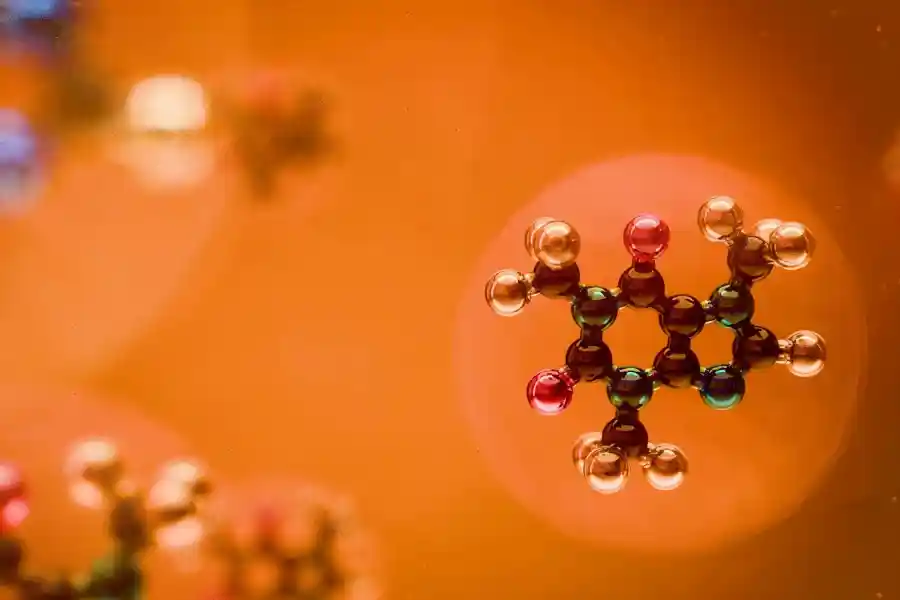
Mercury is one of roughly 120 elements that make up matter, and its chemical symbol is Hg.
It is a shiny silver-colored substance that you may remember from traditional thermometers.
It is rarely used in the home now because it is extremely toxic.
Unfortunately, mercury levels in the environment are rising.
Electricity-generating power stations are the main cause because most continue to burn coal, releasing mercury into the air.
Some eventually settles in rivers and lakes.
When a fish consumes it, the mercury remains in its body and enters the food chain.
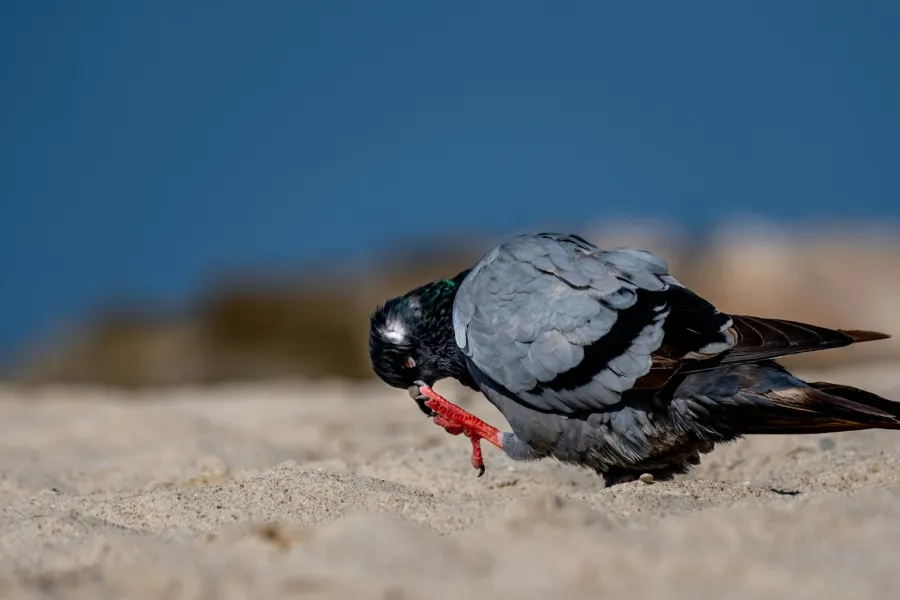
Scientists have long understood the risk to fish-eating birds.
More recent evidence shows that birds whose diet consists of insects can also be harmed.
Claire Varian Ramos is conducting research into these effects.
Instead of simply counting birds killed by mercury poisoning, she is examining less obvious consequences.
These include changes in behavior and in mental processes such as memory.
Her main interest is the effect on bird song.
Birds learn to sing at a particular stage of development.
A young bird appears to acquire its song by listening to its father rather than to other birds.
Varian Ramos has already found that young males exposed to mercury through contaminated food produce songs that are less complex than those of unexposed birds.
Even limited exposure made their form matter in the wild.
Simpler songs can make males less attractive to females and reduce their chances of reproduction.
Her research combines laboratory experiments with outdoor studies of wild birds.
Laboratory work removes many of the variables present in a natural environment, giving the researcher far greater control.
This can increase confidence in the findings, and researchers also avoid the difficulty of locating birds in the wild before observing them.
What does this mean for people?
Because many bird species migrate, they can carry mercury far beyond the original polluted site.
Ducks that had fed in a contaminated area, for example, were later shot by hunters more than a thousand kilometers away and were probably eaten.
Their mercury levels were high enough to raise concerns about human consumption.
Returning to song learning, mercury contamination can disrupt this process in birds.
Among humans, mercury is also known to delay children's acquisition of language.
The learning process involves similar regions of the brain and even some of the same genes.
There are further consequences for people.
An unborn child may be harmed when food eaten by its mother contains a high concentration of mercury, and the effects can be considerable.
Ultimately, the debate concerns the relative value placed on economic well-being and environmental protection.
New rules limiting mercury emissions from power plants will cost billions of dollars to introduce and will raise energy costs for everyone.
Some people argue that this is too high a price for protecting wildlife, but the effects extend beyond wildlife, so the issue requires very careful consideration.