Effects of urban environments on animals - IELTS Listening with Practice test, Audio, Transcript, And Explanation
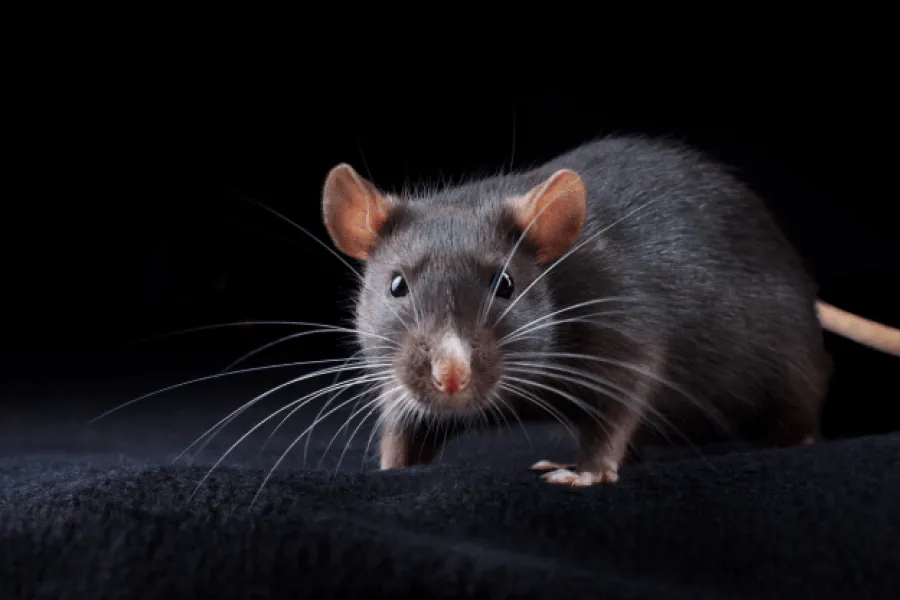
Luyện tập đề IELTS Listening Practice với bài Effects of urban environments on animals được lấy từ cuốn sách IELTS CAM Inspired 13 - Test 1 - Section 4 với trải nghiệm thi IELTS trên máy và giải thích đáp án chi tiết bằng Linearthinking.

IELTS Listening Practice
Gồm làm đề, xem giải thích chi tiết, học từ vựng của những bài thi IELTS Listening phổ biến nhất trên thị trường
Bài viết liên quan
Luyện tập đề IELTS Listening Practice với bài Nutritional Information on Food Packaging được lấy từ cuốn sách IELTS CAM Inspired 13 - Test 4 - Section 3 với trải nghiệm thi IELTS trên máy và giải thích đáp án chi tiết bằng Linearthinking.

Luyện tập đề IELTS Listening Practice với bài Natural Dyes được lấy từ cuốn sách IELTS CAM Inspired 13 - Test 3 - Section 3 với trải nghiệm thi IELTS trên máy và giải thích đáp án chi tiết bằng Linearthinking.

Luyện tập đề IELTS Listening Practice với bài Episodic memory được lấy từ cuốn sách IELTS CAM Inspired 13 - Test 2 - Section 4 với trải nghiệm thi IELTS trên máy và giải thích đáp án chi tiết bằng Linearthinking.

Luyện tập đề IELTS Listening Practice với bài Nanotechnology được lấy từ cuốn sách IELTS CAM Inspired 13 - Test 2 - Section 3 với trải nghiệm thi IELTS trên máy và giải thích đáp án chi tiết bằng Linearthinking.
Luyện tập đề IELTS Listening Practice với bài The Snow Centre được lấy từ cuốn sách IELTS CAM Inspired 13 - Test 4 - Section 2 với trải nghiệm thi IELTS trên máy và giải thích đáp án chi tiết bằng Linearthinking.