Reading Passage has eight paragraphs A-H
Which paragraph contains the following information?
Choose the correct letter, A-HNB You may use any letter more than once.
1
the part of cocoa trees used for chocolate production
2
annual chocolate consumption per capita in the United States
3
the higher likelihood of cultivated cocoa trees being attacked by insects
4
a community which developed a preference for sweetened chocolate beverages
5
an approach by which ancient Mexicans could acquire cocoa beans
Question 6 - 10
Do the following statements agree with the information given in the Reading Passage?
TRUE if the statement agrees with the information
FALSE if the statement contradicts the information
NOT GIVEN if it is impossible to say what the writer thinks about this
6
The Mayan ruling class forbade the use of cocoa and chocolate in rituals.
7
The Spanish explorer Hernán Cortés had made an investment in chocolate and chocolate beverages.
8
Wild cocoa trees are more susceptible to infectious diseases than cultivated ones.
9
During chocolate production, a part of the seed is discarded.
10
Chocolate enjoys more prestige in Europe and the United States than in any other country.
Question 11 - 14
Complete the flow-chart below.
Choose NO MORE THAN TWO WORDS from the passage for each answer.
From Cocoa Beans to Chocolate
STEP 01
Seeds
classifying, cleaning, roasting and stripping their
STEP 02
Nibs
STEP 03
Crushing
producing mixing with measured quantities of substances such as sweeteners, liquid dairy, and
STEP 04
Crumb blending
crushing finely to obtain a smooth texture manufacturing diverse shapes of chocolate in
STEP 05
Chocolate
DOL IELTS Đình Lực
📖 Bài đọc (reading passage)
The history of chocolate
A
A. Chocolate is now perceived as a ubiquitous indulgence, whether consumed as confectionery or a beverage, readily accessible in global markets. However, it may come as a surprise that chocolate was once regarded as a commodity of extraordinary value. The discovery of the cocoa tree, the source of chocolate, occurred approximately 2,000 years ago in the lush tropical rain forests of the Americas. The evolution of the chocolate — from a regionally significant Mesoamerican drink to globally consumed confectionery — has been shaped through cross-continental cultural exchanges and the successive influences of multiple civilisations.
B
Historians suggest that the ancient Maya pioneered cocoa tree cultivation in Mesoamerica, with evidence dating back approximately 2,000 years. They transplanted cocoa trees from the dense rain forest into their domesticated gardens, where cocoa beans were initially roasted and ground into a smooth paste. The paste was combined with spices and water to produce unsweetened chocolate beverages. The Maya also employed a distinctive technique of transferring the liquid back and forth between containers, generating a foamy layer on the drink's surface.
C
Cocoa and chocolate were integral to Maya culture, commonly depicted in their architectural structures and artistic works. While the aristocracy, particularly the royal families, consumed chocolate during elaborate ceremonies, even less privileged groups occasionally savoured the drink. Furthermore, cocoa beans served as a powerful emblem of marital union and were ritually exchanged during wedding ceremonies.
D
The Aztec civilisation in Mexico regarded chocolate as a prestigious commodity, despite being geographically unable to cultivate cocoa trees within their heartland. Accordingly, they sourced cocoa beans through extensive trade networks, even utilising them as currency for tax payments. Chocolate held an exclusive function within Aztec imperial and religious ceremonies, where priests offered cocoa beans as divine offerings and prepared sacred chocolate drinks. Due to the scarcity of cocoa beans, consumption remained restricted to the societal elite, with historical accounts suggesting Emperor Montezuma consumed up to 50 cups daily. Linguists trace the term 'chocolate' to the Aztec Nahuatl word xocolatl, meaning 'bitter water' in the Nahuatl language, though some scholars argue that it has hybrid origins combining Maya and Nahuatl linguistic elements.
E
In 1502, explorer Christopher Columbus introduced cocoa beans to Spain after voyaging to Mesoamerica, and later Spanish explorer Hernán Cortés quickly recognised the potential economic value of chocolate. Upon arriving in present-day Mexico in 1519, Cortés observed that chocolate beverages would appeal to the Spanish. After conquering the Aztec Empire, Spanish forces exported confiscated cocoa supplies to Spain. In response to the growing demand, Spain began cultivating cocoa trees in its American colonies. Spanish elite first developed a taste for sweetened chocolate drinks, but the beverage rapidly spread across Europe. England, the Netherlands, and France followed suit by establishing cocoa plantations in their own colonies. By the 18th century, chocolate remained primarily a luxury restricted to the affluent. However, the Industrial Revolution's technologies enabled mechanised production, dramatically reducing costs and making chocolate available to a broader population.
F
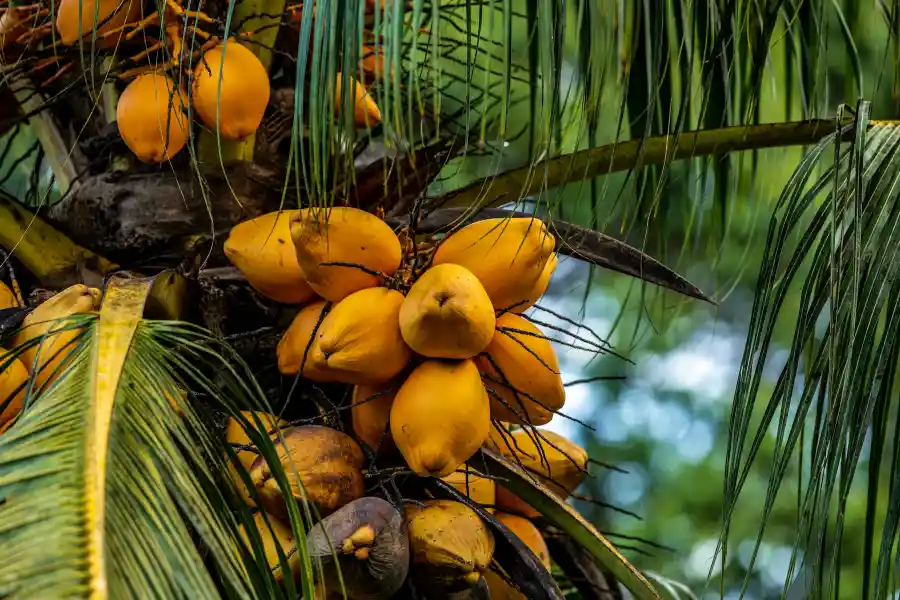
Cocoa trees are cultivated across multiple countries in Africa, Mesoamerica, and South America, thriving in cool, shaded environments within equatorial zones. Despite widespread cultivation, cocoa farming remains labour-intensive, due to the trees' requirement for specific water thresholds, temperature ranges, soil compositions, and protection from environmental threats. Approximately five years after planting, cocoa trees begin to yield large, pod-shaped fruits that grow on the trunk. These pods contain the beans used in chocolate production. While several types of cocoa trees exist, the bulk of the chocolate is produced from the seeds of the most commonly cultivated varieties.
However, farmers opt to grow more specialised types, such as Criollo or Trinitario, valued for distinctive flavour profiles. Unexpectedly, cocoa trees grown on farms are more vulnerable to disease and pests than their wild counterparts. Cocoa cultivation presents a strenuous endeavour for farmers, who sell their harvests on futures markets. exposing their incomes to external market fluctuations.
G
The process of chocolate production involves a series of steps, carried out in specialised factories where cocoa beans are meticulously processed. Workers first sort, clean, and roast the beans before extracting the outer shells, leaving only the inner nibs. These nibs are then ground into a dense paste known as chocolate liquor, which is subsequently separated into two components: cocoa solids and cocoa butter. Following standardised formulations, chocolate manufacturers blend the chocolate liquor with precise ratios of sugar, milk, and cocoa butter. The resulting mixture, often referred to as the 'crumb', undergoes fine grinding to create a smooth consistency. Finally, the mixture is then subjected to two additional processes — conching and tempering — before being placed into molds to create various forms, such as bars or other chocolate products.
H
Chocolate holds significant global economic value, with the manufacturing industry generating over $5 billion annually from cocoa crops, and its reputation remains most prominent in Europe and the United States. For instance, US cocoa product imports reached $1.4 billion in 2005. On average, Americans consume over five kilograms of chocolate per person each year. In addition, upscale chocolate boutiques, which offer premium chocolates, have gained significant popularity. Many of these shops specialise in artisanal chocolates, crafted with unique flavour profiles. Renowned chocolate brands such as Cadbury, Godiva, Lindt, and Ferrero Rocher dominate the market. However, the cocoa and chocolate production sectors often face challenges related to fair trade, sustainable development, and environmental preservation. These issues are now being actively addressed by industry stakeholders, including officials, activists, and researchers, who are working closely with farmers to promote farming practices that foster sustainability and protect the environment.
🔥 Answer key (đáp án và giải thích)
1
F
Giải thích chi tiết
☺️ Ứng dụng Linearthinking để giải quyết dạng bài Matching Information
📌 Dạng Matching Information chúng ta nên làm cuối cùng, sau khi đã làm các dạng câu hỏi khác nhé DOLBIES, bởi vì lúc này mình đã đọc và hiểu nội dung của bài rồi, cộng thêm nghệ thuật Specify của Linearthinking → sẽ nhanh chóng tìm được vị trí đáp án hơn!!
Step 01: Read the question to predict
Hiểu câu hỏi: The part of cocoa trees used for chocolate production
Specify & Predict: Tìm đoạn mô tả bộ phận cụ thể của cây cacao được dùng để sản xuất sô cô la, ví dụ: lá, hoa, hạt, quả …
-------
Step 02: Khoanh vùng đoạn văn
🔍 Từ khóa: “part”, “cocoa trees”, “chocolate production”
→ Dựa vào các từ khoá trên, có thể khoanh vùng được đoạn F vì có xuất hiện các cụm như "pods" (quả dạng vỏ); "contain the beans" (chứa hạt); và "beans used in chocolate production" (hạt được dùng để sản xuất chocolate) → Đây là ví dụ cụ thể cho các bộ phận của cây ca cao được sử dụng để sản xuất sô cô la.
B. Historians suggest that the ancient Maya pioneered cocoa tree cultivation in Mesoamerica, with evidence dating back approximately 2,000 years. They transplanted cocoa trees from the dense rain forest into their domesticated gardens, where cocoa beans were initially roasted and ground into a smooth paste. The paste was combined with spices and water to produce unsweetened chocolate beverages. The Maya also employed a distinctive technique of transferring the liquid back and forth between containers, generating a foamy layer on the drink's surface.
C. Cocoa and chocolate were integral to Maya culture, commonly depicted in their architectural structures and artistic works. While the aristocracy, particularly the royal families, consumed chocolate during elaborate ceremonies, even less privileged groups occasionally savoured the drink. Furthermore, cocoa beans served as a powerful emblem of marital union and were ritually exchanged during wedding ceremonies.
D. The Aztec civilisation in Mexico regarded chocolate as a prestigious commodity, despite being geographically unable to cultivate cocoa trees within their heartland. Accordingly, they sourced cocoa beans through extensive trade networks, even utilising them as currency for tax payments. Chocolate held an exclusive function within Aztec imperial and religious ceremonies, where priests offered cocoa beans as divine offerings and prepared sacred chocolate drinks. Due to the scarcity of cocoa beans, consumption remained restricted to the societal elite, with historical accounts suggesting Emperor Montezuma consumed up to 50 cups daily. Linguists trace the term 'chocolate' to the Aztec Nahuatl word xocolatl, meaning 'bitter water' in the Nahuatl language, though some scholars argue that it has hybrid origins combining Maya and Nahuatl linguistic elements.
E. In 1502, explorer Christopher Columbus introduced cocoa beans to Spain after voyaging to Mesoamerica, and later Spanish explorer Hernán Cortés quickly recognised the potential economic value of chocolate. Upon arriving in present-day Mexico in 1519, Cortés observed that chocolate beverages would appeal to the Spanish. After conquering the Aztec Empire, Spanish forces exported confiscated cocoa supplies to Spain. In response to the growing demand, Spain began cultivating cocoa trees in its American colonies. Spanish elite first developed a taste for sweetened chocolate drinks, but the beverage rapidly spread across Europe. England, the Netherlands, and France followed suit by establishing cocoa plantations in their own colonies. By the 18th century, chocolate remained primarily a luxury restricted to the affluent. However, the Industrial Revolution's technologies enabled mechanised production, dramatically reducing costs and making chocolate available to a broader population.
F. Cocoa trees are cultivated across multiple countries in Africa, Mesoamerica, and South America, thriving in cool, shaded environments within equatorial zones. Despite widespread cultivation, cocoa farming remains labour-intensive, due to the trees' requirement for specific water thresholds, temperature ranges, soil compositions, and protection from environmental threats. Approximately five years after planting, cocoa trees begin to yield large, pod-shaped fruits that grow on the trunk. These pods contain the beans used in chocolate production. While several types of cocoa trees exist, the bulk of the chocolate is produced from the seeds of the most commonly cultivated varieties.
However, farmers opt to grow more specialised types, such as Criollo or Trinitario, valued for distinctive flavour profiles. Unexpectedly, cocoa trees grown on farms are more vulnerable to disease and pests than their wild counterparts. Cocoa cultivation presents a strenuous endeavour for farmers, who sell their harvests on futures markets. exposing their incomes to external market fluctuations.
G. The process of chocolate production involves a series of steps, carried out in specialised factories where cocoa beans are meticulously processed. Workers first sort, clean, and roast the beans before extracting the outer shells, leaving only the inner nibs. These nibs are then ground into a dense paste known as chocolate liquor, which is subsequently separated into two components: cocoa solids and cocoa butter. Following standardised formulations, chocolate manufacturers blend the chocolate liquor with precise ratios of sugar, milk, and cocoa butter. The resulting mixture, often referred to as the 'crumb', undergoes fine grinding to create a smooth consistency. Finally, the mixture is then subjected to two additional processes — conching and tempering — before being placed into molds to create various forms, such as bars or other chocolate products.
H. Chocolate holds significant global economic value, with the manufacturing industry generating over $5 billion annually from cocoa crops, and its reputation remains most prominent in Europe and the United States. For instance, US cocoa product imports reached $1.4 billion in 2005. On average, Americans consume over five kilograms of chocolate per person each year. In addition, upscale chocolate boutiques, which offer premium chocolates, have gained significant popularity. Many of these shops specialise in artisanal chocolates, crafted with unique flavour profiles. Renowned chocolate brands such as Cadbury, Godiva, Lindt, and Ferrero Rocher dominate the market. However, the cocoa and chocolate production sectors often face challenges related to fair trade, sustainable development, and environmental preservation. These issues are now being actively addressed by industry stakeholders, including officials, activists, and researchers, who are working closely with farmers to promote farming practices that foster sustainability and protect the environment.