NARRATOR:
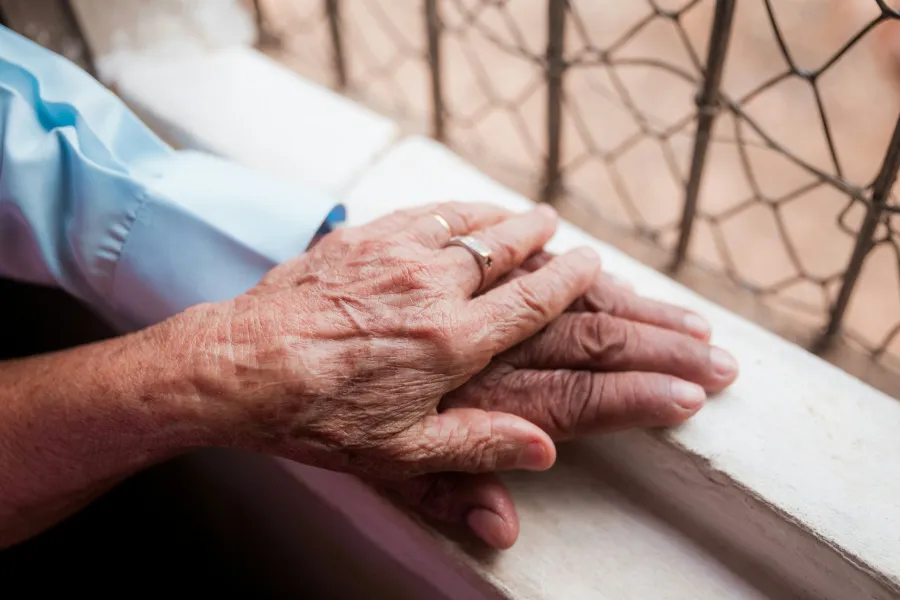
You will hear a woman who looks after her elderly mother talking to a friend about support for carers.
NARRATOR:
First, you have some time to look at questions one to four.
NARRATOR:
Now listen carefully and answer questions one to four.
WOMAN:
It's so nice to see you, Tom.
WOMAN:
Since I stopped working, I feel as though I'm gradually losing contact with everyone from the office.
TOM:
We were all sorry you had to leave.
TOM:
Although I suppose having more time must make caring for your mum a little easier.
WOMAN:
She's in good spirits, but she relies on me for quite a lot.
TOM:
Have you asked the council whether they can help?
WOMAN:
No, I didn't realise that was possible.
TOM:
They can provide several kinds of practical assistance.
TOM:
They understand that carers still have other commitments to deal with, and that everyone needs a break from time to time.
WOMAN:
That's certainly true.
WOMAN:
So what would I need to do?
TOM:
The first step is an assessment of your mother's needs.
TOM:
Someone visits you, discusses the circumstances, and finds out what support would be useful.
TOM:
They'll begin by asking how much time you spend caring for her each day.
TOM:
They'll also want details of the jobs you do for her, for instance, whether she needs help getting dressed.
WOMAN:
I also help her take a shower every morning.
TOM:
Yes, that's the sort of thing they need to know.
TOM:
They'll probably ask whether you buy her groceries, assist at meal times, and check if she can still manage money.
WOMAN:
That's becoming difficult.
WOMAN:
She used to handle it perfectly well, but she can't now.
NARRATOR:
Before you hear the rest of the conversation, you have some time to look at questions 5 to 10.
NARRATOR:
Now listen and answer questions 5 to 10.
TOM:
You should also mention anything about caring for her that you find especially hard.
WOMAN:
Recently, her memory has got noticeably worse.
WOMAN:
Without me there, she'd probably forget to eat, and she often isn't certain which day it is.
TOM:
Make sure you explain that.
TOM:
Are there physical parts of the care that cause problems too?
TOM:
Lifting her, for example.
WOMAN:
Yes, she's quite heavy, and I worry about damaging my back.
WOMAN:
I really wouldn't cope if I injured it.
TOM:
They can show you safer ways to do that.
TOM:
They can also advise you on reducing the risk of your mother having a fall.
WOMAN:
If the assessment shows that I qualify, what kind of help could I receive?
TOM:
There may be financial support for travel.
TOM:
For example, if you need a taxi to take your mum to a medical appointment, you may be able to claim the fare.
WOMAN:
I normally take her in my own car.
WOMAN:
Would petrol be covered?
TOM:
Yes, and insurance can be included as well.
TOM:
If keeping the house clean is difficult, they can arrange for somebody to help once or twice a week.
TOM:
There's something else too.
TOM:
I hope you don't mind me saying it, but you need to take care of yourself.
TOM:
You seem to be dealing with a lot of stress.
WOMAN:
I am, to be honest.
TOM:
Tell the council that.
TOM:
They may be able to suggest ways of keeping it under control.
WOMAN:
Just talking to you has already helped.
WOMAN:
I'll contact them as soon as I can.
WOMAN:
Now, how about getting a coffee?