
Dol English DGNL And THPT

DOL khai giảng các lớp Toán, Văn, Anh ĐGNL & Lý Tốt nghiệp THPT với phương pháp Linearthinking.


Dol English DGNL And THPT

Ra mắt DOL THPT - Nền tảng luyện thi THPT & ĐGNL hoàn toàn Miễn phí


Dol English DGNL And THPT

DOL khai giảng các lớp Toán, Văn, Anh ĐGNL & Lý Tốt nghiệp THPT với phương pháp Linearthinking.


Real IELTS Writing 2 - Topic Education (Start School Early) & sample band 8.5+

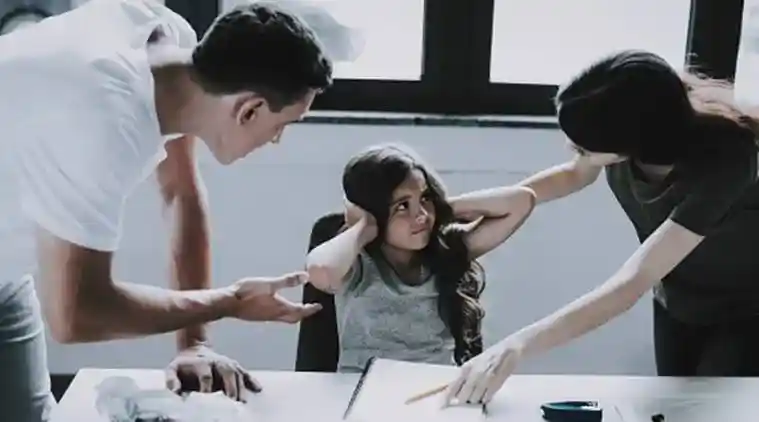
Task 2: [Quý 2/2026] Đề thi thật IELTS Writing Task 2 – Dạng Discuss both views, chủ đề Education (Start School Early) kèm bài mẫu band 8.5+, dàn ý chi tiết, từ vựng và bài tập ôn luyện.

🚀 Đề bài

😵 Dàn ý

Bài viết của DOL sẽ bao gồm 1 đoạn mở bài (introduction), 2 đoạn thân bài (body paragraph), và 1 đoạn kết bài (conclusion).

Intro: DOL sẽ paraphrase đề bài và viết Thesis statement để trả lời câu hỏi của đề.

Body 1: DOL sẽ phân tích những lợi ích của việc cho trẻ đi học từ sớm, bao gồm phát triển kỹ năng học tập cơ bản và cải thiện khả năng giao tiếp, kỷ luật.

Body 2: DOL sẽ phân tích những lợi ích của việc cho trẻ đi học muộn hơn, bao gồm giúp trẻ trưởng thành hơn về cảm xúc và có thêm cơ hội học hỏi thông qua vui chơi và gia đình.

Conclusion: DOL sẽ nhắc lại câu trả lời ở phần Intro và nhắc lại các ý chính trong bài.

DOL sẽ tiếp tục phân tích dàn ý cụ thể bên dưới nhé.

Insert Statement here...
While early schooling can accelerate academic and social development, I believe delaying formal education is ultimately more beneficial for several reasons.
Insert Paragraph Title Here...
Body paragraph 1:
Topic Sentence
Sending children to school early can support both their academic and social development.
Idea 1
Earlier development of basic knowledge and skills
    viết, hoặc bấm enter để thêm bullet point
  • Cause–Effect: Children exposed to reading, writing, and numbers at a younger age ⇒ foundational academic skills develop sooner ⇒ may adapt more easily to higher levels of education
  • viết, hoặc bấm enter để thêm bullet point
  • Example: Preschool programs with simple literacy activities ⇒ recognize letters and words earlier ⇒ primary school learning becomes less difficult
Idea 2
Improved social interaction and discipline
    viết, hoặc bấm enter để thêm bullet point
  • Explanation: School environments allow children to interact regularly with teachers and classmates + follow rules and schedules
  • viết, hoặc bấm enter để thêm bullet point
  • Example: Group activities and classroom routines ⇒ learn teamwork, sharing, and self-discipline ⇒ communication and behavioral skills improve
Insert Paragraph Title Here...
Body paragraph 2:
Topic Sentence
However, starting school at an older age may better protect children’s emotional well-being and natural development.
Idea 1
More time for emotional and physical maturity
    viết, hoặc bấm enter để thêm bullet point
  • Example: Very young children may struggle with long study hours and structured environments ⇒ feel stressed or exhausted at school
  • viết, hoặc bấm enter để thêm bullet point
  • Cause–Effect: Delaying school entry ⇒ become more emotionally independent + physically prepared ⇒ cope better with academic pressure
Idea 2
Greater opportunities for learning through family and play
    viết, hoặc bấm enter để thêm bullet point
  • Explanation: Early childhood = an important period for free play and family interaction ⇒ develop creativity and social understanding
  • viết, hoặc bấm enter để thêm bullet point
  • Cause–Effect: Spending more time in home-based learning and play activities ⇒ imagination and interpersonal skills grow naturally ⇒ experience a more balanced childhood

📝 Bài mẫu

There is ongoing debate over whether children should begin formal education at a very young age or wait until they are older before attending school. While early schooling can

accelerate academic and social development
, I believe delaying formal education is ultimately more beneficial for several reasons.

On the one hand, starting school early can provide significant educational and social advantages for children. Regarding the former, exposure to reading, writing, and basic mathematics at a younger age allows

foundational academic abilities
to develop sooner. Consequently, children who attend preschool programs often
adapt more easily
to advanced levels of education later on. For example, those who participate in simple literacy activities may learn to recognize letters and words earlier, making primary school lessons less challenging. Moreover, school environments also play a crucial role in improving
social interaction and discipline
. By participating in group activities and
following classroom routines
, children learn how to cooperate with others, share responsibilities, and respect rules. As a result, their communication skills and self-discipline are often strengthened from an early stage.

However, I am highly convinced that postponing formal schooling may be more beneficial for children’s

emotional and physical development
. Notably, very young children often struggle with long study hours and
highly structured environments
, which can leave them feeling stressed or exhausted. If school entry is delayed, children are likely to become more emotionally independent and physically mature before facing academic pressure, enabling them to
cope more effectively with educational demands
. Another reason is that early childhood is an essential period for free play and
close family interaction
, both of which contribute greatly to healthy personal development. Spending more time engaging in creative play and
home-based learning activities
allows imagination and interpersonal abilities to grow naturally. Consequently, children may experience
a more balanced and enjoyable childhood
before entering formal education.

In conclusion, although early schooling can enhance children’s academic progress and social skills, I believe that beginning school at an older age is preferable because it better protects emotional health and encourages more natural development. A delayed start to education can therefore help children become more

well-rounded individuals
in the long term.

(357 words)

📚 Vocabulary

accelerate academic and social development
/əkˈseləreɪt ˌækəˈdemɪk ænd ˈsəʊʃl dɪˈveləpmənt/
(verb). thúc đẩy sự phát triển học thuật và xã hội
vocab
foundational academic ability
/faʊnˈdeɪʃənl ˌækəˈdemɪk əˈbɪləti/
(noun). năng lực học thuật nền tảng
vocab
adapt more easily
/əˈdæpt mɔːr ˈiːzəli/
(verb). thích nghi dễ dàng hơn
vocab
social interaction and discipline
/ˈsəʊʃl ˌɪntərˈækʃən ænd ˈdɪsəplɪn/
(noun). sự tương tác xã hội và tính kỷ luật
vocab
follow classroom routines
/ˈfɒləʊ ˈklɑːsruːm ruːˈtiːnz/
(verb). tuân theo các nề nếp lớp học
vocab
emotional and physical development
/ɪˈməʊʃənl ænd ˈfɪzɪkl dɪˈveləpmənt/
(noun). sự phát triển cảm xúc và thể chất
vocab
highly structured environment
/ˈhaɪli ˈstrʌktʃəd ɪnˈvaɪrənmənt/
(noun). môi trường có tính cấu trúc cao
vocab
cope more effectively with educational demands
/kəʊp mɔːr ɪˈfektɪvli wɪð ˌedʒʊˈkeɪʃənl dɪˈmɑːndz/
(verb). đối phó hiệu quả hơn với yêu cầu học tập
vocab
close family interaction
/kləʊs ˈfæməli ˌɪntərˈækʃən/
(noun). sự tương tác gần gũi trong gia đình
vocab
home-based learning activitiy
/həʊm beɪst ˈlɜːnɪŋ ækˈtɪvəti/
(noun). hoạt động học tập tại nhà
vocab
a more balanced and enjoyable childhood
/ə mɔː ˈbælənst ænd ɪnˈdʒɔɪəbl ˈtʃaɪldhʊd/
(noun). một tuổi thơ cân bằng và thú vị hơn
vocab
well-rounded individual
/ˌwel ˈraʊndɪd ˌɪndɪˈvɪdʒuəl/
(noun). cá nhân phát triển toàn diện
vocab

✨ Bài tập Exercise

Mình cùng làm 2 bài tập sau đây để ôn lại các từ vựng và cấu trúc đã được dùng trong bài mẫu IELTS Writing nhé!

Exercise 1: Điền từ / cụm từ phù hợp vào chỗ trống.

1. Giáo dục sớm có thể thúc đẩy sự phát triển học thuật và xã hội ở trẻ nhỏ.

-> Early education can

in young children.

2. Các chương trình mẫu giáo giúp trẻ xây dựng năng lực học thuật nền tảng trước khi vào tiểu học.

-> Preschool programs help children build

before primary school.

3. Trẻ em học mẫu giáo thường thích nghi dễ dàng hơn với giáo dục chính quy.

-> Children who attend kindergarten often

to formal education.

4. Trường học thúc đẩy sự tương tác xã hội và tính kỷ luật thông qua các hoạt động nhóm.

--> Schools promote

through group activities.

5. Người học nhỏ tuổi dần học cách tuân theo các nề nếp lớp học ở trường.

-> Young learners gradually learn to

at school.

6. Học thông qua vui chơi hỗ trợ sự phát triển cảm xúc và thể chất trong giai đoạn đầu đời.

-> Play-based learning supports

in early childhood.


💡 Gợi ý

social interaction and discipline

follow classroom routines

foundational academic abilities

accelerate academic and social development

adapt more easily

emotional and physical development

Exercise 2: Tìm những từ / cụm từ tiếng Anh phù hợp với những từ / cụm từ sau.


01.

môi trường có tính cấu trúc cao

02.

đối phó hiệu quả hơn với yêu cầu học tập

03.

sự tương tác gần gũi trong gia đình

04.

hoạt động học tập tại nhà

05.

một tuổi thơ cân bằng và thú vị hơn

06.

cá nhân phát triển toàn diện

💡 Lời kết

Tới đây là hết rồi 😎 Sau sample "Some people think that children should start school at a very early age, but others believe that children should go to school until they are older. Discuss both views and give your opinion.", DOL mong các bạn không chỉ nắm được cách trả lời hiệu quả cho một bài Writing task 2 dạng Discuss both views mà còn có thể bỏ túi được một vài từ vựng, cấu trúc hay của chủ đề Education nhé.

Nếu có thời gian thì nhớ làm phần bài tập và tự mình viết một bài khác nha vì 'Practice makes perfect' mà nhỉ. 😉

Nhắn DOL qua Facebook
Nhắn DOL qua Zalo

Đăng ký test đầu vào IELTS miễn phí và nhận tư vấn

Nhắn tin DOL qua Facebook

Click để nhắn tin với DOL qua fanpage chính

Gọi điện liên hệ

Liên hệ DOL qua hotline miễn phí: 1800 96 96 39

DOL có 15+ cơ sở tại TP.HCM, Hà Nội và Đà Nẵng

Click để xem địa chỉ chi tiết

promotion-backgroundpromotion-background