You will hear part of a presentation by an urban planning student about the role of rivers in cities around the world.
First, you have some time to look at questions 31 to 40.
Now listen carefully and answer questions 31 to 40.
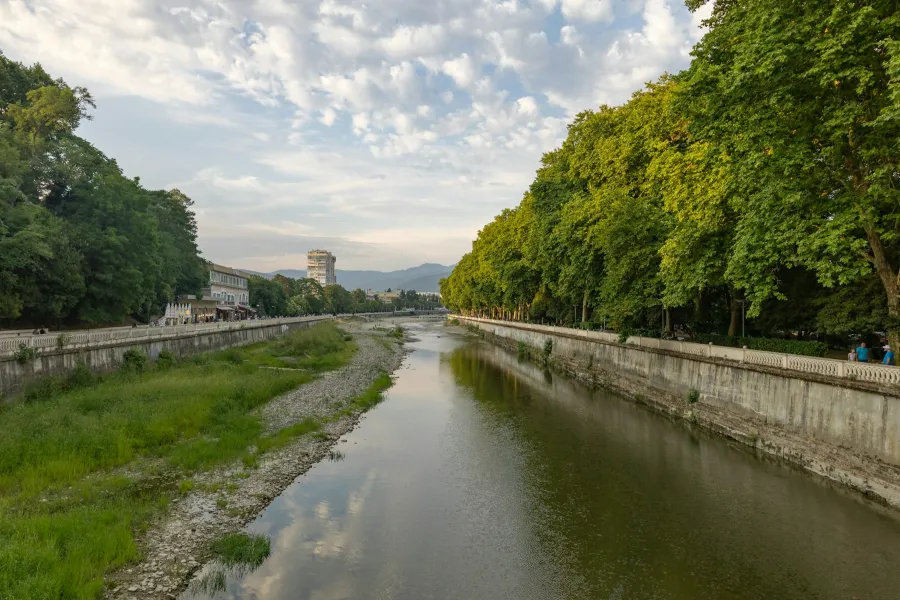
It is surprisingly difficult to name a major city without a large river passing through it.
Shanghai, New York, Mumbai and London are all examples of cities that develop beside rivers.
When such places were founded centuries or even millennia ago, the river was central to everyday life.
In London during the 16th century, traveling by water was the quickest way to cross the city.
The river also supplied fish because the water was still fairly clean and people took pleasure trips by boat using the river as a peaceful break from the crowded noisy streets.
Conditions deteriorated when industry expanded and urban populations rose.
More residents produced far more sewage, which continued to be released into the river.
That practice had existed earlier, but it caused much greater harm once cities grew to populations of a million or more.
A further source of contamination came from factories constructed along the banks.
They regularly emptied industrial waste directly into the water and the situation became progressively worse.
In 1957, scientists from London's Natural History Museum described the Thames as biologically dead.
The water was so polluted that it could no longer sustain living organisms.
More recently, rivers have lost much of their industrial role and city authorities have begun to appreciate their wider value and restore them.
The Thames, for instance, is now cleaner than it has been for a century and a half.
Seals can be seen in it again.
On one occasion, a whale entered the river from the sea and became lost.
Attempts to save it were unsuccessful, but the cause was its disorientation, not poor water quality.
Riverfront land is now highly desirable in cities worldwide.
Former warehouses once used to hold goods are being changed into costly restaurants and apartments overlooking the water.
Demand for those homes is extremely high.
In Los Angeles, an architect has proposed bringing the riverbanks back into public use by creating a park.
It would include places for exercise while also offering a natural setting where people could unwind.
Other uses have been suggested as well.
One proposal is to provide space beside the river where art projects made by local residents can be exhibited.
Paris provides another example.
Every July and August, vehicles are excluded from roads beside the river and the banks are turned into beaches.
People sit beneath potted palms sunbathed and by refreshments while looking across the water.
However, if crowded cities are to gain the greatest benefit from their rivers, waterways should recover one of their earliest functions, transport.
Moving more traffic from streets to rivers could reduce the number of cars and lorries, provided modern technology keeps the service quiet and clean.
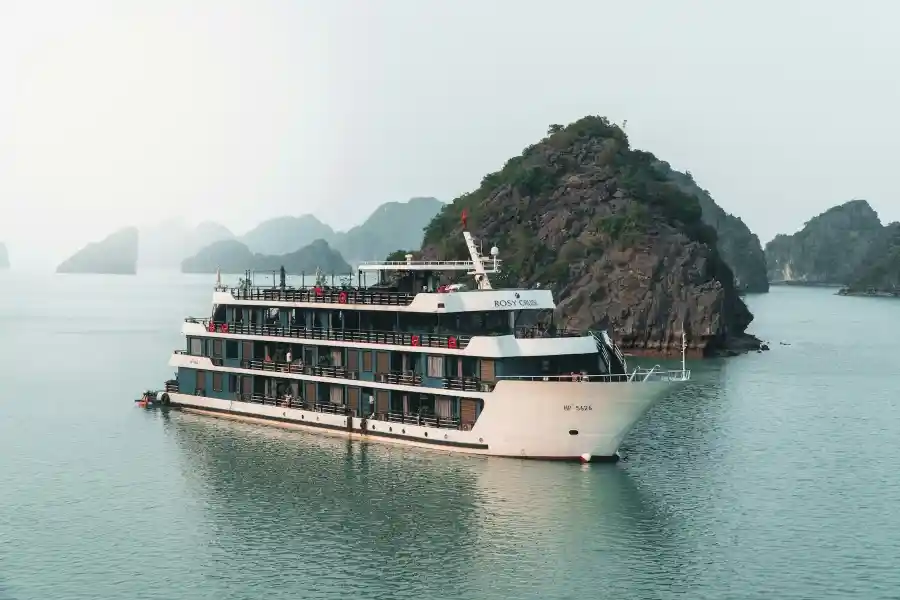
More than two billion urban passengers already travel by ferry in cities such as Istanbul, San Francisco, and New York, and that figure is expected to grow.
Ferries may not be especially fast, but neither are cars trapped in congestion.
Working from home could eventually reduce some passenger journeys, yet online shopping is producing a rapid increase in another kind of traffic, deliveries.
Vans and lorries add pollution and they often block streets while parcels are unloaded.
Water transport has enough capacity to remove many of those vehicles.
A single large freight barge can replace 44 heavy trucks while consuming less energy and creating less pollution.
After a barge reaches a riverside landing point, parcels could complete the final few kilometers on electric cargo bikes.
Amsterdam already uses this approach.
In the future, that last stage might even be performed by drone, although current regulations do not permit it.
This could make city centers far less congested.
And if we look further ahead, that is the end of part four.
You now have one minute to check your answers to part four.
That is the end of the listening test.
In the IELTS test, you would now have 10 minutes to transfer your answers to the listening answer sheet.