You will hear a lifeboat volunteer called David talking about his work.
First you have some time to look at questions 11 to 16.
Now listen carefully and answer questions 11 to 16.
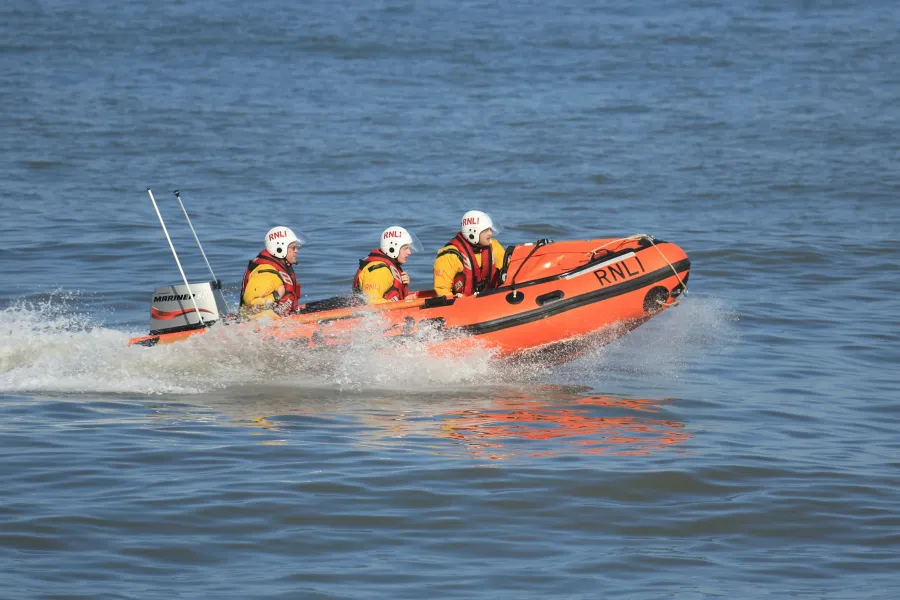
Becoming a lifeboat volunteer wasn't something I had planned when I moved from London to North Sea.
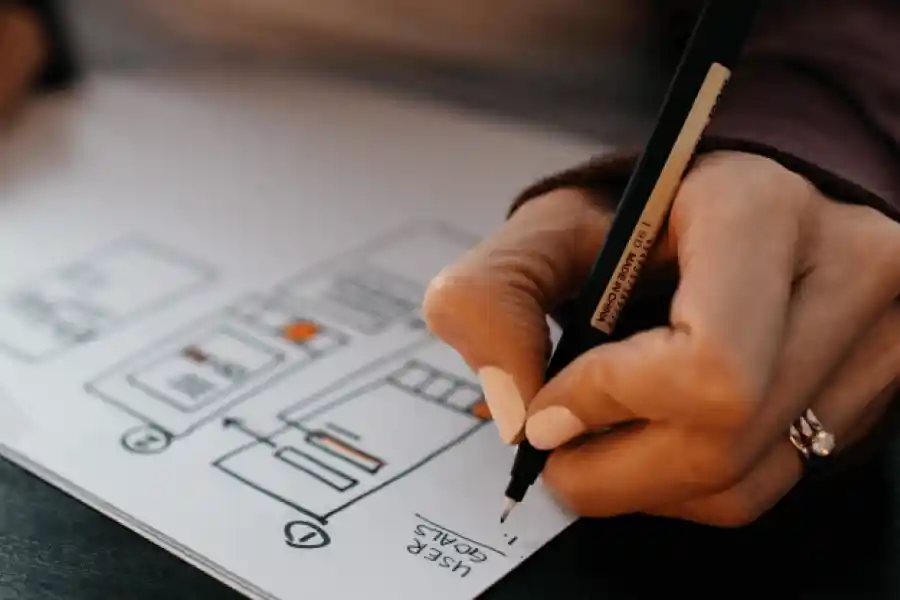
I'd been employed as a website designer.
The job itself was quite interesting, but living in the city didn't suit me.
When I was younger, I'd been very keen on boats, so moving to the coast seemed like a good opportunity to take up that interest again in my spare time.
Soon afterwards, I saw that the lifeboat institution needed volunteers and put in an application.
You can't really miss North Sea's lifeboat station because it's among the biggest in the country.
The building opened 15 years ago, paid for by a generous woman who had spent her whole life in the town.
The institution is a charity, so it depends on gifts from individuals like her rather than receiving its money from the council or central government.
My application included a medical examination and the doctor paid particular attention to my eyesight.
I had once been short-sighted and used glasses, but laser surgery two years before had dealt with that.
The test initially suggested that I might have trouble distinguishing colors.
Fortunately, further checks showed there was no problem.
Whenever the Coast Guard sends an alert, every crew member is contacted and heads straight to the station.
We aim to arrive within five minutes.
Once we're there, our goal is to launch the boat within a further six to eight minutes.
We generally manage it, which we're proud of, since the national average is eight and a half minutes.
As helmsmen, I steer the boat, but the role carries wider responsibility, too.
I make sure all the necessary equipment is functioning properly, including special life jackets that can keep as many as four people afloat.
Most importantly, I make the final judgment about whether conditions are safe enough for the lifeboat to leave.
We almost always go, even when the weather is extremely bad.
The role involves more than attending emergencies.
People often fail to appreciate how quickly wind conditions at sea can alter, so I visit local youth organizations and sailing clubs to explain the dangers faced by sailors and swimmers when the weather deteriorates.
Other volunteers arrange fundraising events and their contribution is essential, but that isn't my own area of work.
Before you hear the rest of David's talk, you have some time to look at questions 17 to 20.
Now listen and answer questions 17 to 20.
Our training never really stops.
It concentrates on technical ability and handling the boat safely.
The exercises have made me much more confident in extreme situations, so I'm able to think clearly instead of panicking.
I was pleased that I had already completed a first aid course, because that helped with the casualty care sessions.
We have also spent a considerable amount of time learning to handle ropes and tie knots, as those skills are fundamental.
After my first year, I attended a specialist residential program lasting a week.
One facility was a wave tank that could reproduce severe weather.
It allowed us to practice surviving situations such as the lifeboat overturning during a storm at night.
The course was demanding, but its purpose wasn't specifically to teach me how to lead other people.
Since joining, I've responded to many different emergencies and the work remains enormously motivating.
I enjoy understanding the technology and my experience in IT sometimes lets me assist the other volunteers.
What matters most, though, is the crew itself.
We operate as a close team, almost like a family, which makes it easier to get out of bed on a freezing, stormy night.
In fact, winter call-outs can be the most rewarding.
Accidents are often more serious then, so you can see how much your actions affect the final result.
So if any of you listening are interested...