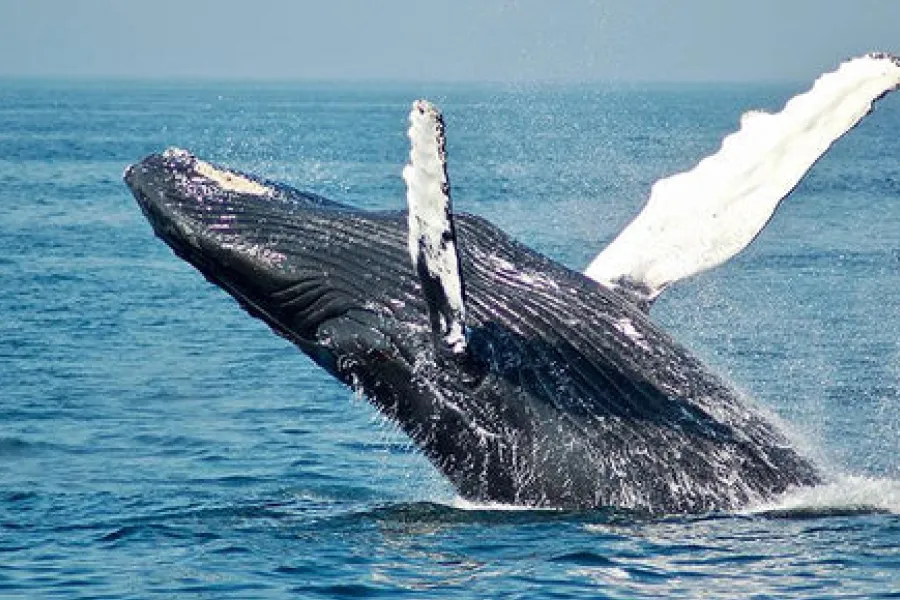
Mass stranding of whales and dolphins - IELTS Listening with Practice test, Audio, Transcript, And Explanation
Luyện tập đề IELTS Listening Practice với bài Mass stranding of whales and dolphins được lấy từ cuốn sách IELTS CAM Inspired 09 - Test 1 - Section 4 với trải nghiệm thi IELTS trên máy và giải thích đáp án chi tiết bằng Linearthinking.

IELTS Listening Practice
Gồm làm đề, xem giải thích chi tiết, học từ vựng của những bài thi IELTS Listening phổ biến nhất trên thị trường
Bài viết liên quan
Luyện tập đề IELTS Listening Practice với bài Invasive species được lấy từ cuốn sách IELTS CAM Inspired 21 - Test 3 - Section 4 với trải nghiệm thi IELTS trên máy và giải thích đáp án chi tiết bằng Linearthinking.

Luyện tập đề IELTS Listening Practice với bài Courses at Henbridge College được lấy từ cuốn sách Forecast Test 2026 - Q2 - Test 4 - Section 1 với trải nghiệm thi IELTS trên máy và giải thích đáp án chi tiết bằng Linearthinking, kèm list từ vựng IELTS cần học trong bài đọc.

Luyện tập đề IELTS Listening Practice với bài Ethical and sustainable fashion được lấy từ cuốn sách IELTS CAM Inspired 21 - Test 3 - Section 3 với trải nghiệm thi IELTS trên máy và giải thích đáp án chi tiết bằng Linearthinking.

Luyện tập đề IELTS Listening Practice với bài River Avon Adventures được lấy từ cuốn sách Forecast Test 2026 - Q2 - Test 2 - Section 2 với trải nghiệm thi IELTS trên máy và giải thích đáp án chi tiết bằng Linearthinking, kèm list từ vựng IELTS cần học trong bài đọc.

Luyện tập đề IELTS Listening Practice với bài James Craig's business exhibition được lấy từ cuốn sách IELTS CAM Inspired 21 - Test 4 - Section 2 với trải nghiệm thi IELTS trên máy và giải thích đáp án chi tiết bằng Linearthinking.